
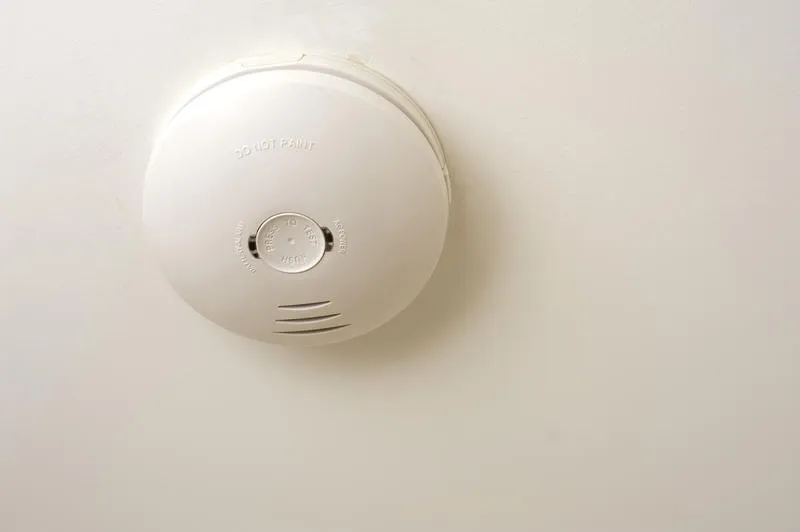
Chances are you already have a carbon monoxide (CO) detector in your home. But when did you last check it was working properly? A recent report found that 95% of CO alarms were not tested in 2024,
meaning thousands of households are unwittingly putting themselves at risk of CO poisoning.
Why not take a minute to read some of our tips for CO safety in your home. It could save your life!
What is carbon monoxide?
Carbon monoxide is a poisonous gas that can make you seriously ill if you breathe it in. Carbon monoxide can be made by fires and appliances that burn gas, wood, oil or coal. Many households still rely on gas boilers, so there are some important safety guidelines you should be aware of!
Because you can’t see it, taste it, or smell it, it is highly dangerous and in certain conditions can kill quickly and without warning.

Because of its link to boilers, CO is often thought to have more associations to winter (when we turn our heating on!). But there are still risks during the summer. Barbecues, for example, can give off CO in an enclosed space. Therefore, they should always be used in well-ventilated areas, and not inside a home, tent or enclosed area.And yet, according to insight from the Carbon Monoxide Research and Analysis (CORA) platform, which analysed over 50,000 digital (Internet of Things IoT) alarms,
95% of CO alarms were not tested at all in 2024, meaning thousands of households are unwittingly putting themselves at risk of CO poisoning.
How to stay safe from the dangers of CO
- Get coal, oil and natural gas appliances checked annually by a qualified profesional
- Fit an audible CO alarm and always follow the manufacturer’s instructions
- Regularly test your carbon monoxide alarm in line with the manufacturer’s instructions and replace the batteries/alar, as and when required
- Ensure there is adequate ventilation for appliances and don’t block air vents
- Turn off your appliance and seek immediate assistance if you suspect CO or your CO alarm sounds
- Don’t ever bring a BBQ or portable heater into an enclosed space without proper ventilation
What to do in an emergency
SGN provide the National Gas Emergency response in South West London. If you report a gas leak or a CO concern, their engineers provide a 24-hour service to attend and make the situation safe.

If this has prompted you to look into your your CO monitor and you find it isn’t working, needs replacing, or you don’t have one at all – we can help!
CREW supplies free CO alarms for eligible households through our SGN-funded energy advice programme. Get in touch to see how you can get hold of one.
For more information on CO safety, see SGN’s handy leaflet (also available at our energy advice events).