February 25, 2021
Usually the one place in your house that you won’t find a (traditional) plug socket, you might not think of the bathroom when it comes to energy saving. But, aside from the obvious water savings (which can still save you money if your water is metered!), there are plenty of ways to cut your carbon footprint by heating less water, switching to LED light bulbs and making plastic-free swaps.
Read More
July 28, 2020
It takes someone in the UK just five days to emit the same amount of carbon as someone in Rwanda does across a whole year, data extracted from Global Carbon Atlas shows. Most people want to reduce their carbon footprint (I’ve never met anyone who wanted to increase it, anyway), so, the good news is you can save energy without expending too much of your own!
May 14, 2020
This Water Saving Week, we are putting our water supply under the microscope and exploring the effect of our water usage on the planet. By saving water, we can save money, carbon and nature! In the UK, the average person uses 143 litres of water per day in England and Wales, 150 litres in Scotland and 145 litres in Northern Ireland. This is risky business, considering that London is drier than Istanbul and Sydney.
May 7, 2020
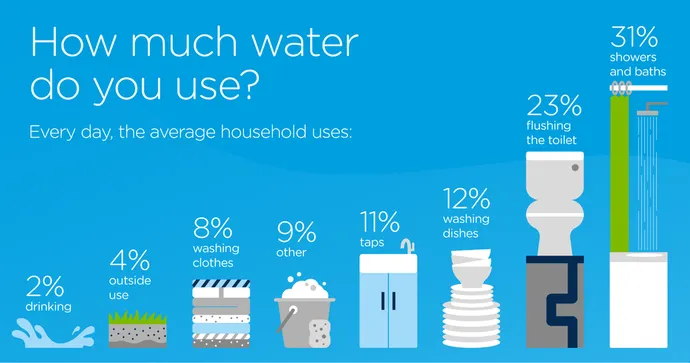
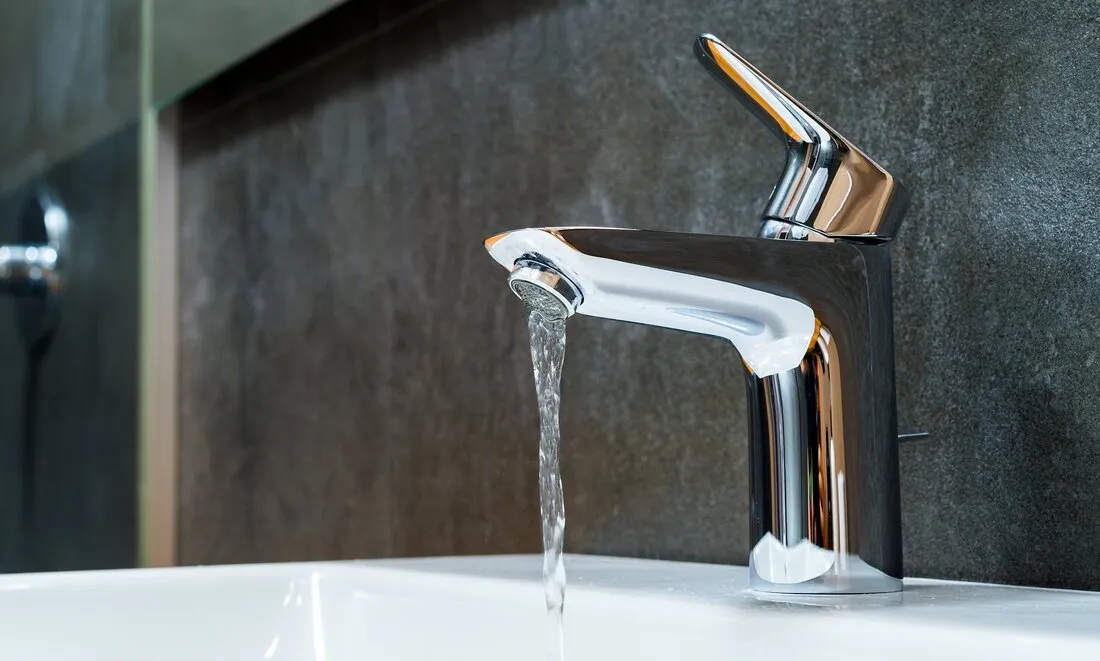
The average home uses 330 litres of water a day. Multiply that by the number of homes in the UK and that’s more than just a drop in the ocean... The good news is, there are simple ways to cut down your use and make sure you’re only using the water you need. Starting with your taps!
April 30, 2020
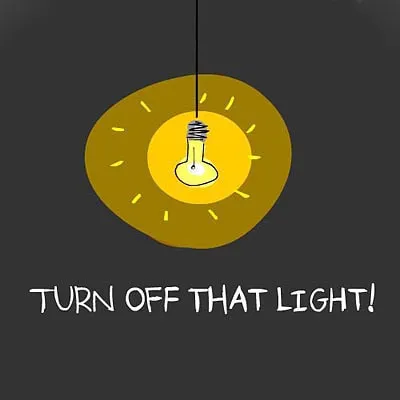
Spending more time at home means we are using a lot more energy than usual. It also means spending more time thinking about how you and your family use your home, appliances, and energy. Switching your appliances and lights off (at the plug) when they are not in use is one of the quickest and easiest ways to start saving on average: £15 per year when you turn off your lights £30 per year when you turn appliances off stand-by
April 23, 2020
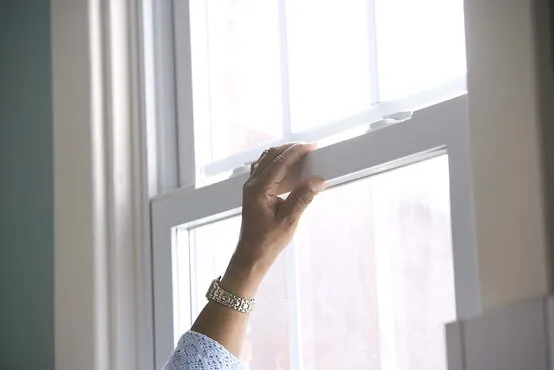
It might be getting a bit too warm to talk about draught-proofing, but these measures are for the long term... Plus, #MakeDoCREW is all about making the most of your time at home. You'll thank us in the depths of winter! By blocking gaps around windows and doors, you could save up to £25-£20 a year on your energy bills. You can buy everything you need to cut out draughts online and it’s pretty easy to install.
April 22, 2020
This year marks the 50th anniversary of Earth Day, a hugely popular awareness day that is marked by more than a billion people every year as a day of action to change human behaviour and create global, national and local policy changes[1]. In addition to this year being a landmark birthday, in light of the Coronavirus crisis, it will also be the very first fully digital Earth Day – a perfect opportunity to see what we can achieve when we can come together in spirit, if not in person.
April 9, 2020
If you're looking for a simple #stayhome project but a more long-term investment, now might be a good time to start replacing your light bulbs. Lighting accounts for 15% of a typical household’s electricity bill, so bulbs have an important role to play. These days, there are lot of different light bulbs available and we've come a long way from the traditional incandescent kind, which produced only 5% light, with the other 95% being lost as heat! Their carbon footprint was so high - producing more than 15,000,000 tonnes of carbon emissions a year - they were banned in the UK in 2018.
March 30, 2020
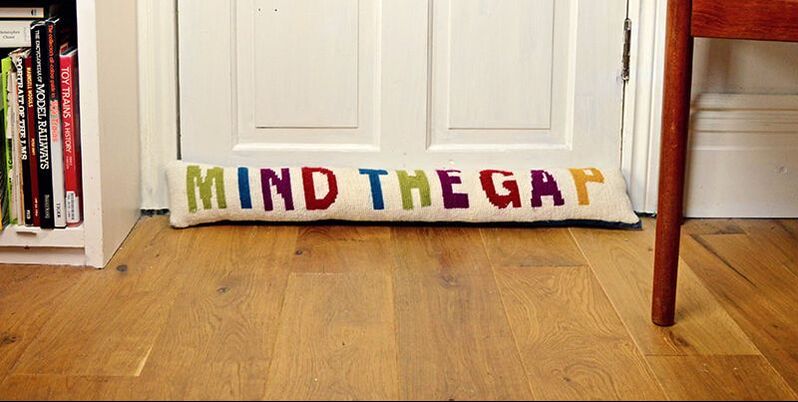
This #MakeDoCREW craft is one you can get the kids involved with! It's also a creative way to upcycle some old clothes and prevent them from going to landfill. You can be as bold as you like, match with your room decor, or personalise for children's bedrooms. One of the best and cheapest ways to keep out cold air is to use a draught excluder.
March 27, 2020
As we stay home to support our communities and the NHS, some of us may find ourselves with a lot more time on our hands. If you're in search of a productive new hobby, why not take that extra time and put it into a project that will benefit your pocket and the planet? Especially as we're spending a lot more time in the home, using more energy!