
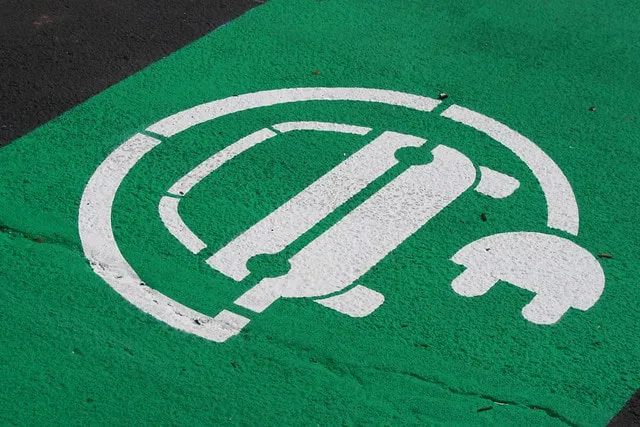
Electric vehicles have become an important part of both the fight against air pollution and the move to a low-carbon economy, which is essential for reducing the effects of climate change. EVs aim to replace road vehicles, which use internal combustion engines (ICEs), by instead charging a battery which then delivers power to the motor
The current state of EVs
Currently, the number of EVs (including PHEVs) is 2.7% of the UK’s total market. The UK government’s current plan is to stop selling internal combustion engines by 2040, although recent reports, such as by the Committee on Climate Change, have said this is too late and should be moved forward to 2035 or 2030 to meet 2050 climate change targets.How do we boost EV numbers?
EV charging is an important part of electric vehicle deployment. Although large amounts of charging will occur at home, there will also need to be EV charging at locations such as offices, and retail and leisure facilities. In cities, a lot of people do not have off-street parking, meaning innovation in on-street charging is also required. One strategy which is often mooted to quicken the adoption of EVs is to try to make EV charging as convenient and quick as possible, aligning with the public’s current experience of refuelling an ICE.
There are three main types of EV:
- Battery/Pure Electric Vehicle (BEV/PEV) – Electric motor drives wheels powered by a battery which needs to be charged by being plugged into the mains.
- Range Extender – Electric motor drives wheels powered by a battery which can be charged by plugging into the mains or using a small combustion engine to charge the battery, extending the vehicle’s range.
- Plug in Hybrid Electric Vehicle (PHEVs) – The battery can be recharged either by its internal combustion engine or through plugging into an electric power source, the battery is smaller than for a BEV.
For further information on EVs, ‘range anxiety’ and common misconceptions, check out this article.
Do you have an EV? Tell us about your charging experience!