
Who are CREW? Going back to our roots for Volunteers’ Week
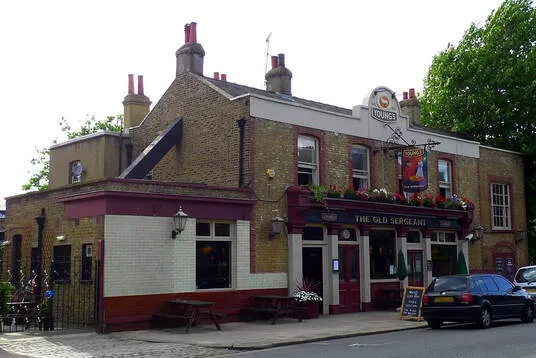
CREW Energy was founded in 2014 as Community Renewable Energy Wandsworth (as long-time fans will know). Some members of Wandsworth Friends of the Earth were looking for a new project to take on, one that would go beyond environmental activism and allow us to take action ourselves. Seeing the success of Brixton Energy, we decided to take on the challenge of bringing community energy to Wandsworth!
Climate action replay
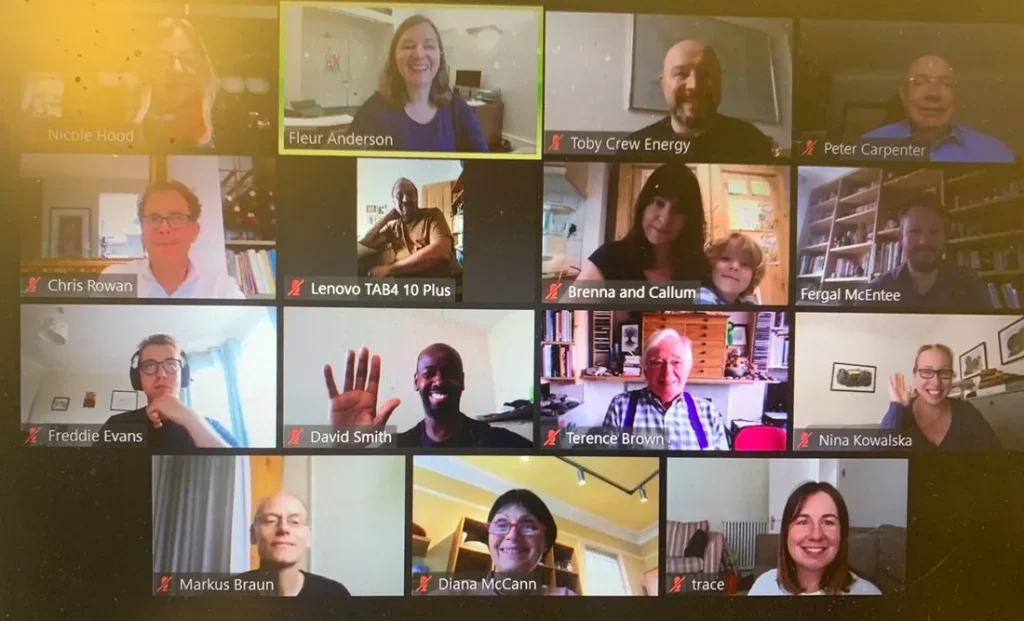
June was a very busy month for CREW and the many strings to our bow. We took part in Community Energy Fortnight, Coop Fortnight, Virtual Lobbying of MP for Putney, Southfields and Roehampton – Fleur Anderson (pictured above) – and part one of London Climate Action Week. This community movement across the capital and country was just another display of how being apart has only brought us closer together!
CEF2020 – An introduction to community energy
This Community Energy Fortnight (and every week) we have been tweeting a lot about community energy. In fact, the UK Community Energy body, Community Energy England even kindly asked us to run their very first Twitter takeover on Monday to kick off Community Energy Fortnight. Not too shabby for a group of green folk from Wandsworth!
So-lar, so good? Shedding light on PV
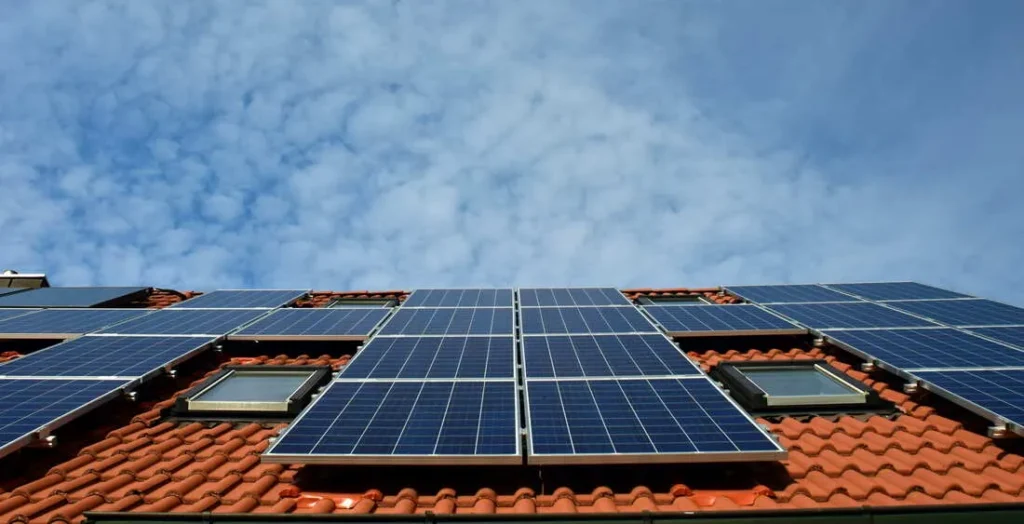
Many people will know about solar panels and the renewable energy they generate due to their prevalence on residential buildings, as well as recent news stories. It’s a technology used by community energy groups at both a small and very large scale. You may well have heard about ‘PV’ in the news recently, especially in light of COVID-19 where we have seen clearer skies and reduced air pollution, meaning much stronger sunlight is reaching the ground.
Mental Health Awareness Week – Climate anxiety

To mark Mental Health Awareness Week, we wanted to take a look at a mental health issue that is on the rise – climate anxiety – and the things we can do to combat it, including taking action to counteract climate change!
In the words of Greta Thunberg, ‘no-one is too small to make a difference’! You only need to take the first steps…
COVID-19 call-back service updates
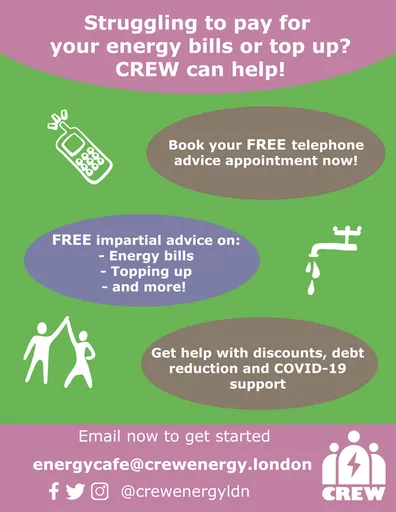
The UK lockdown came on so quickly that, consequently, all our planned workshops and energy cafés had to stop, almost without warning, as our usual venues closed their doors.
The particular challenge with COVID-19 is that, as a nation, we are spending more time in our homes and, as a result, more money on bills. So, while we physically cannot get out to share our advice, people actually need it now more than ever!
MakeDoCREW – Water-saving freebies
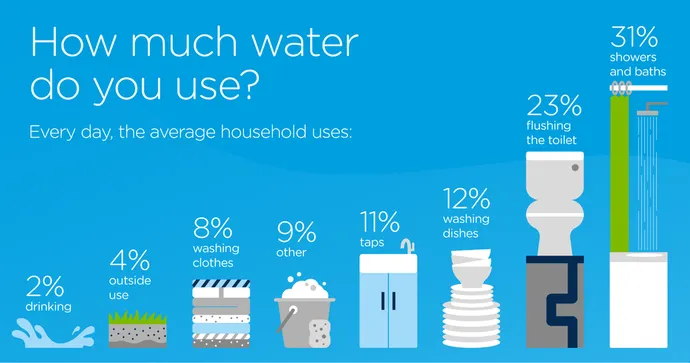
This Water Saving Week, we are putting our water supply under the microscope and exploring the effect of our water usage on the planet. By saving water, we can save money, carbon and nature!
In the UK, the average person uses 143 litres of water per day in England and Wales, 150 litres in Scotland and 145 litres in Northern Ireland. This is risky business, considering that London is drier than Istanbul and Sydney.
MakeDoCREW – Tap into water savings

The average home uses 330 litres of water a day. Multiply that by the number of homes in the UK and that’s more than just a drop in the ocean…
The good news is, there are simple ways to cut down your use and make sure you’re only using the water you need. Starting with your taps!
Particle pollution far from locked down

One of the few benefits of the COVID-19 lockdown has been the reduction in pollution and the perceived improvement in air quality. Yet things may not have improved as much as we hoped. This recent report in the Guardian suggests that particulate matter (PM) remains stubbornly high, partly due to the start of the farming season but also due to flue emissions from our gas boilers. These gas flues pump out PM, nitrogen oxides and carbon monoxide, that seriously impact our air quality.
MakeDoCREW – Carbon cut-outs
Spending more time at home means we are using a lot more energy than usual. It also means spending more time thinking about how you and your family use your home, appliances, and energy.
Switching your appliances and lights off (at the plug) when they are not in use is one of the quickest and easiest ways to start saving on average:
£15 per year when you turn off your lights
£30 per year when you turn appliances off stand-by